
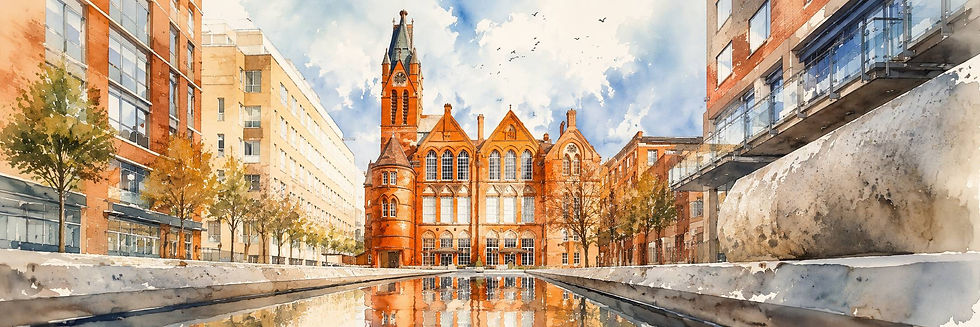
Boiler Installation in Birmingham
Boiler Installers, Servicing, Repairs and Heating Engineers Across Birmingham
APN Boilers helps homeowners, landlords and property managers find experienced heating professionals for boiler installation in Birmingham, together with boiler servicing, repairs and wider heating system support.
Birmingham has a population of approximately 1.14 million people and around 423,500 households, making it one of the largest residential heating markets in the United Kingdom. The city contains more than 446,000 dwellings across a wide mix of property types, neighbourhoods and tenures.
The city’s housing ranges from Victorian and Edwardian terraces to interwar semis, post-war estates, large suburban family houses, converted properties and modern city-centre apartments. Semi-detached homes account for approximately 34.8% of


Birmingham’s housing, with terraced homes representing a further 29.5%, creating a substantial market for individually controlled boilers and central heating systems.
Whether you need a new boiler, an annual boiler service, urgent boiler repairs or help from a heating engineer in Birmingham, the starting point should be a proper assessment of the property and its existing heating system.
Boiler Installation in Birmingham
A new boiler installation should be planned around the size and construction of the property, the household’s heating requirements and the way hot water will be used.
The most appropriate boiler will depend on:
-
the size and layout of the property
-
the number of bedrooms and bathrooms
-
the number and output of the radiators
-
the property’s heat loss
-
hot water demand
-
mains water pressure and flow rate
-
the condition of the existing pipework
-
the current boiler and heating arrangement
-
the proposed boiler location
-
the available flue route
-
condensate drainage
-
heating controls and thermostats
-
future extensions or alterations
A compact apartment occupied by one or two people may require a very different heating system from a large family house with several bathrooms, an extension and an extensive radiator circuit.
The boiler should not be selected simply because it is similar to the appliance being removed. The existing boiler may have been incorrectly sized, the property may have changed or the household’s heating and hot water requirements may now be substantially different.
A carefully planned boiler installation in Birmingham should provide dependable heating, sufficient hot water, effective control and improved energy efficiency.
Reliable Heating for Birmingham Homes
Birmingham experiences a long heating season, with boilers operating regularly throughout autumn, winter and early spring.
Long-term Met Office climate averages for the Birmingham area show average minimum temperatures close to freezing during January and February. These colder periods can place sustained demand on boilers, pumps, valves, radiators, controls and external condensate pipework.
A heating system that appears adequate during mild weather may struggle once outside temperatures fall and the boiler is required to operate for longer periods.
A dependable heating system can help provide:
-
consistent room temperatures
-
reliable hot water
-
faster heating response
-
improved energy efficiency
-
better control over running times
-
reduced risk of winter breakdowns
-
compatibility with modern heating controls
-
access to manufacturer warranty protection
Where an older boiler regularly loses pressure, struggles to heat the property or requires repeated repairs, replacement may provide a more reliable long-term solution.
New Boilers for Birmingham Homes
Many people searching for a new boiler in Birmingham are replacing an appliance that has become unreliable, inefficient or increasingly expensive to maintain.
A new boiler may be worth considering where the existing unit:
-
breaks down regularly
-
is difficult or expensive to repair
-
struggles to heat the whole property
-
provides inconsistent hot water
-
loses pressure repeatedly
-
makes unusual noises
-
is no longer supported by readily available parts
-
has poor energy efficiency
-
cannot operate effectively with modern controls
-
is no longer suitable for the property
Installing a new boiler also provides an opportunity to assess the condition and performance of the wider heating system.
Poor heating performance may be caused by more than the boiler itself. Restricted pipework, system sludge, incorrectly sized radiators, faulty valves, poor circulation and ineffective controls can all contribute to cold rooms, slow heating and unnecessary energy use.
These issues should be considered before the boiler specification and installation arrangements are agreed.
Boiler Installation for Birmingham Terraced Houses
Terraced housing forms an important part of Birmingham’s residential character.
Traditional terraces can be found across areas such as Balsall Heath, Sparkbrook, Small Heath, Aston, Handsworth, Ladywood, Lozells, Selly Oak, Stirchley and parts of Erdington.
These properties may contain:
-
solid external walls
-
suspended timber floors
-
older heating pipework
-
boilers installed within kitchens or cupboards
-
concealed or difficult-to-access pipe routes
-
radiators added at different times
-
rear kitchen and dining extensions
-
attic conversions
-
ageing hot water cylinders
-
older tanks, pumps and controls
Many terraced houses have been extended or altered over several decades without the heating system being fully redesigned.
A rear extension, loft conversion, additional bathroom or open-plan kitchen can substantially increase heating and hot water demand. The new boiler should therefore be sized around the property as it exists today rather than the original house.
The installer should assess the boiler, radiators, flow and return pipework, controls and hot water requirements as one complete system.
Boiler Installation for Birmingham Semi-Detached Homes
Semi-detached properties are the most common housing type in Birmingham, accounting for more than one-third of the city’s dwellings.
Large areas of Birmingham developed during the interwar and post-war periods, creating extensive neighbourhoods of two-storey family homes. Many of these properties have since been extended into the rear, side, loft or garage.
A boiler installation for a semi-detached property should consider:
-
the total floor area
-
the number of storeys
-
radiator output
-
the number of bathrooms
-
simultaneous hot water use
-
existing tanks and cylinders
-
rear and side extensions
-
loft conversions
-
garage conversions
-
underfloor heating
-
separate heating zones
-
future alterations
Where a home has been substantially extended, the original boiler and pipework may no longer be suitable.
Additional bedrooms, bathrooms, utility rooms and open-plan living spaces can place greater demand on both the heating and hot water system. The installation should be designed around the current property and the way the household intends to use it.
Boiler Installation for Larger Family Houses
Birmingham and the surrounding West Midlands include substantial areas of detached and larger family housing.
Properties in locations such as Edgbaston, Harborne, Moseley, Kings Heath, Sutton Coldfield, Hall Green and surrounding suburban areas may contain several bathrooms, extensive radiator systems and larger areas of living accommodation.
A larger home may require:
-
a higher-capacity heating system
-
stored hot water
-
a system boiler
-
a larger or upgraded cylinder
-
separate heating zones
-
improved circulation
-
upgraded flow and return pipework
-
correctly sized radiators
-
modern controls
-
consideration of underfloor heating
A standard combi boiler may not always provide the best hot water performance where several showers, baths or taps are likely to be used at the same time.
The boiler and hot water arrangement should be selected around the likely peak demand rather than simply the number of occupants.
Boiler Installation for Birmingham Flats and Apartments
Birmingham contains modern city-centre apartments, converted buildings, purpose-built flats, council-owned homes and new residential developments.
Installing or replacing a boiler in a flat may involve additional considerations, including:
-
restricted internal space
-
limited boiler locations
-
flue routes
-
access to an external wall
-
high-level apartments
-
communal areas
-
building-management requirements
-
landlord or freeholder consent
-
shared service routes
-
suitable condensate drainage
-
safe access for future servicing
Some modern developments use communal or district heating rather than individual boilers. Where an apartment has its own boiler, the proposed appliance, flue route and condensate arrangement must be suitable for the building.
Converted properties can also contain unusual pipework routes or boilers positioned within restricted spaces. The existing system should be inspected before the replacement boiler and installation method are agreed.
Combi Boiler Installation in Birmingham
A combi boiler provides heating and hot water directly from one appliance without requiring a separate hot water cylinder.
This can make a combi boiler attractive for Birmingham flats, terraces and smaller family homes where internal storage space is limited.
Removing an older cylinder or cold water tank may create valuable cupboard or loft space, but a combi conversion should not proceed until the water supply and household demand have been properly assessed.
The installer should check:
-
mains water pressure
-
available water flow rate
-
the number of bathrooms
-
simultaneous hot water demand
-
incoming water pipe size
-
existing heating pipework
-
boiler location
-
flue options
-
condensate drainage
A high-output combi boiler cannot deliver more water than the incoming mains supply can provide.
Where water pressure or flow is poor, or where several bathrooms are used together, a system boiler with stored hot water may provide more dependable performance.
Converting an Older Heating System
Many Birmingham homes still contain traditional heating arrangements with a separate hot water cylinder, cold water storage tank and older flow and return pipework.
Converting this arrangement to a combi boiler may involve considerably more than removing the existing appliance.
The work may include:
-
removing redundant water tanks
-
removing the hot water cylinder
-
altering hot and cold water feeds
-
reviewing the heating flow and return
-
assessing mains water pressure
-
testing the available flow rate
-
replacing pumps and motorised valves
-
upgrading heating controls
-
cleaning or flushing the system
-
replacing unsuitable pipework
-
reviewing radiator output
-
installing suitable condensate drainage
The existing heating circuit must also be capable of operating under the revised pressure arrangement.
A conversion should therefore be designed as a heating system alteration rather than treated as a straightforward boiler exchange.
System Boilers and Regular Boilers
A system boiler operates with a separate hot water cylinder and can be suitable for larger Birmingham homes or properties with greater hot water requirements.
A system boiler may be appropriate for:
-
larger family homes
-
properties with two or more bathrooms
-
households using several hot water outlets together
-
homes with a suitable existing cylinder
-
properties with adequate storage space
-
installations where stored hot water provides better performance
A regular boiler, sometimes known as a heat-only boiler, may remain suitable where the existing tanks, cylinder and traditional pipework are in good condition.
The correct choice depends on the property, water supply, available space and the way the household uses heating and hot water.
There is no single boiler type that is suitable for every Birmingham property.
Boiler Replacement in Birmingham
Boiler replacement in Birmingham forms part of many installation enquiries, even where the customer initially searches for a new boiler, boiler installer or heating engineer.
Replacing an older boiler may improve:
-
heating reliability
-
energy efficiency
-
hot water performance
-
system control
-
compatibility with smart thermostats
-
access to replacement parts
-
manufacturer warranty protection
-
comfort during colder weather
A direct like-for-like replacement may be suitable where the existing heating system remains well designed and appropriate for the property.
In other cases, replacement may create an opportunity to:
-
change the boiler type
-
relocate the appliance
-
remove redundant tanks or cylinders
-
upgrade pipework
-
improve radiator performance
-
introduce separate heating zones
-
install modern controls
The aim should be to create the right heating system for the property rather than reproduce an arrangement that may already be outdated or unsuitable.
Boiler Service in Birmingham
Regular boiler servicing helps maintain safe operation, reliability and efficiency.
An annual boiler service in Birmingham can identify developing faults before they result in a breakdown. Servicing may also be required to maintain the terms of the manufacturer’s warranty.
A boiler service may include checks on:
-
the general condition of the appliance
-
safe combustion
-
internal components
-
seals and connections
-
operating pressure
-
signs of water leakage
-
corrosion or deterioration
-
flue condition
-
ventilation
-
thermostats and controls
-
previous fault history
Planned servicing is particularly important where the boiler is used heavily throughout autumn and winter.
Identifying worn components or signs of deterioration during routine maintenance is generally less disruptive than dealing with a complete loss of heating during cold weather.
Boiler Repair in Birmingham
A boiler fault can quickly leave a Birmingham property without heating or hot water.
Common reasons people request boiler repair in Birmingham include:
-
no heating
-
no hot water
-
low boiler pressure
-
repeated pressure loss
-
water leaks
-
unusual noises
-
ignition failures
-
persistent fault codes
-
radiators remaining cold
-
thermostat problems
-
intermittent heating
-
poor hot water performance
-
the boiler switching off unexpectedly
Not every boiler fault means that the appliance needs replacing.
A repair, adjustment or replacement component may restore reliable operation. The engineer should identify the cause of the problem before recommending the most appropriate course of action.
Where an older boiler is suffering repeated failures, the cost of continuing repairs should be compared with the longer-term benefits of replacement.
Emergency Boiler Repair in Birmingham
An unexpected boiler breakdown can become urgent during colder weather, particularly where children, older residents or vulnerable occupants depend on a reliable supply of heating and hot water.
Emergency boiler repair may be required where there is:
-
a complete loss of heating
-
no hot water
-
a substantial water leak
-
rapid pressure loss
-
a boiler that will not ignite
-
a persistent fault code
-
a frozen external condensate pipe
-
concern about the safe operation of the appliance
Where there is a suspected gas leak or carbon monoxide risk, the property should be treated as a gas safety emergency and the appropriate emergency procedures followed.
Heating Engineers in Birmingham
A heating engineer may be needed where the problem or proposed installation involves more than the boiler itself.
An experienced heating engineer in Birmingham can assess:
-
boiler output
-
property heat loss
-
radiator sizing
-
flow and return pipework
-
circulation
-
pumps and valves
-
system pressure
-
thermostats
-
heating zones
-
hot water demand
-
system cleanliness
-
uneven room temperatures
A wider heating assessment is particularly important in older properties where the system may have been altered, extended or repaired repeatedly over many years.
Cold rooms and poor performance may be caused by undersized radiators, restricted pipework, trapped air, system sludge, faulty controls or poor system balancing rather than the boiler alone.
The complete heating system should be assessed before major work is recommended.
Gas Engineers in Birmingham
Gas boiler installation, servicing and repair must be carried out by an appropriately qualified Gas Safe registered engineer.
Property owners should check both that the engineer is registered and that the qualifications shown on the Gas Safe identification card cover the particular type of work being undertaken.
A gas engineer in Birmingham may be required for:
-
gas boiler installation
-
annual boiler servicing
-
boiler repairs
-
gas safety checks
-
landlord gas safety records
-
gas pipework alterations
-
flue work
-
boiler relocation
-
central heating installation
-
gas appliance testing
Following the installation of a gas boiler in England, the installation should be notified under the Building Regulations so that a Building Regulations Compliance Certificate can be issued.
Modern Heating Controls
Modern heating controls can improve comfort and reduce unnecessary energy consumption.
Possible improvements include:
-
programmable room thermostats
-
smart heating controls
-
thermostatic radiator valves
-
separate heating zones
-
weather compensation
-
load compensation
-
improved hot water controls
-
remote heating management
Good controls allow occupants to heat the property according to the way it is used rather than running the entire system continuously.
This can be particularly useful in larger houses, shared homes and properties where some rooms are occupied more frequently than others.
Smart controls may also allow landlords and homeowners to monitor and adjust heating remotely.
Boilers for Birmingham Landlords
Birmingham has a large and varied rental market, including city-centre apartments, traditional terraces, suburban family houses, student accommodation and houses in multiple occupation.
The city has more than 446,000 dwellings, with the substantial majority forming part of the private sector. Birmingham City Council also operates licensing and regulatory services for privately rented properties and HMOs.
Landlords and property managers may require:
-
annual boiler servicing
-
gas safety checks
-
landlord gas safety records
-
boiler repairs
-
emergency breakdown support
-
replacement boiler installation
-
heating control upgrades
-
help with recurring system faults
Planned maintenance can help reduce tenant disruption and minimise the risk of a minor fault becoming an urgent winter breakdown.
A boiler installed in a rental property should provide dependable operation, straightforward controls and suitable access for future servicing and repairs.
Boilers for Student and Shared Houses
Birmingham has a large student and shared-housing market, particularly around Selly Oak, Bournbrook, Edgbaston, Harborne and surrounding university districts.
Heating systems in shared homes can face particularly heavy demand because:
-
several occupants may use hot water in succession
-
heating may operate for extended periods
-
occupants may have different temperature preferences
-
several showers or bathrooms may be used each morning
-
boilers and controls receive intensive use
-
a fault can affect a larger number of residents
The boiler and hot water system should be selected around the likely level of occupancy rather than simply the number of bedrooms.
A standard combi boiler may not always be suitable for a large shared property with several bathrooms. Stored hot water or a more comprehensive system design may provide better performance.
Improving an Older Birmingham Heating System
A new boiler cannot always overcome weaknesses elsewhere in an older heating system.
Where appropriate, additional improvements may include:
-
replacing inefficient radiators
-
fitting thermostatic radiator valves
-
cleaning or flushing the system
-
replacing restricted pipework
-
improving system balancing
-
adding separate heating zones
-
upgrading the thermostat
-
insulating exposed pipework
-
protecting external condensate pipes
-
improving controls for stored hot water
These improvements can help the new boiler operate more effectively and distribute heat more evenly throughout the property.
Boiler Services Across Birmingham
APN Boilers supports boiler installation, servicing, repairs and heating enquiries across Birmingham and surrounding West Midlands areas, including:
Birmingham City Centre, Edgbaston, Harborne, Selly Oak, Bournbrook, Moseley, Kings Heath, Stirchley, Balsall Heath, Sparkbrook, Small Heath, Hall Green, Yardley, Acocks Green, Erdington, Aston, Handsworth, Perry Barr, Great Barr, Northfield, Longbridge, Sutton Coldfield, Solihull and nearby communities.
Need Help With Your Boiler in Birmingham?
Whether you need a new boiler installation, annual boiler service, urgent boiler repair or help from a heating engineer in Birmingham, the next step is to explain what you need and choose the most convenient way to contact APN Boilers.
You may already know that your boiler needs replacing. You may be dealing with a breakdown and want to establish whether a repair is practical. You may be planning a complete heating upgrade or arranging routine servicing before colder weather arrives.
Some customers prefer to discuss the problem by phone. Others want to send the details through an enquiry form or explain their requirements by email.
Choose the contact option that suits you best.